Understanding Your Dog’s Skin and Coat
Dogs are equipped with a complex skin ecosystem that includes sebaceous glands, a protective layer of oil, and a diverse community of microorganisms. These natural oils act as a barrier against moisture loss, temperature extremes, and bacterial invasion. When you bathe your dog too often, you can disrupt this delicate balance, leading to dry skin, itching, and even secondary infections. Conversely, neglecting hygiene can allow dirt, parasites, and odor‑causing bacteria to accumulate, which may irritate the skin and cause discomfort.
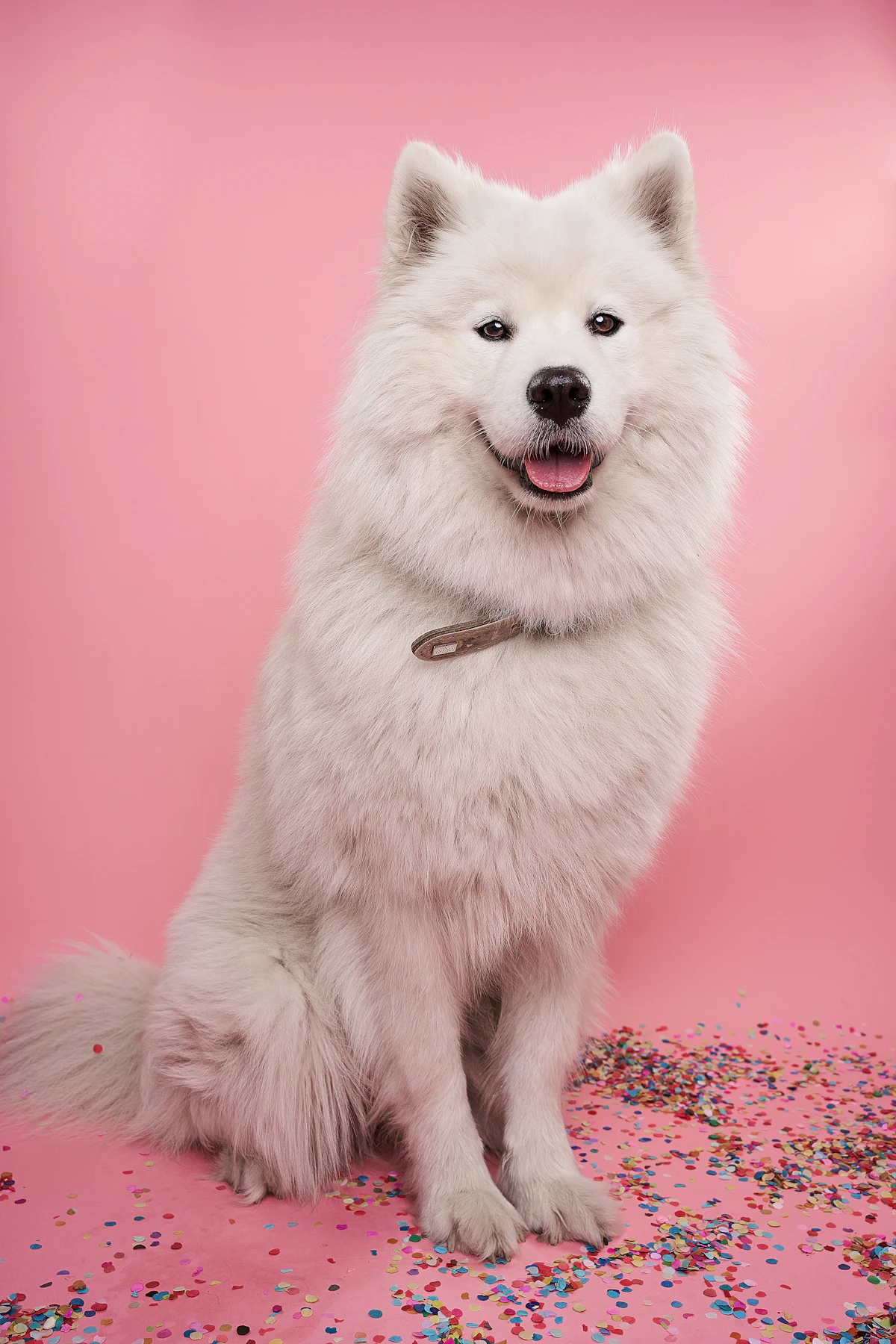
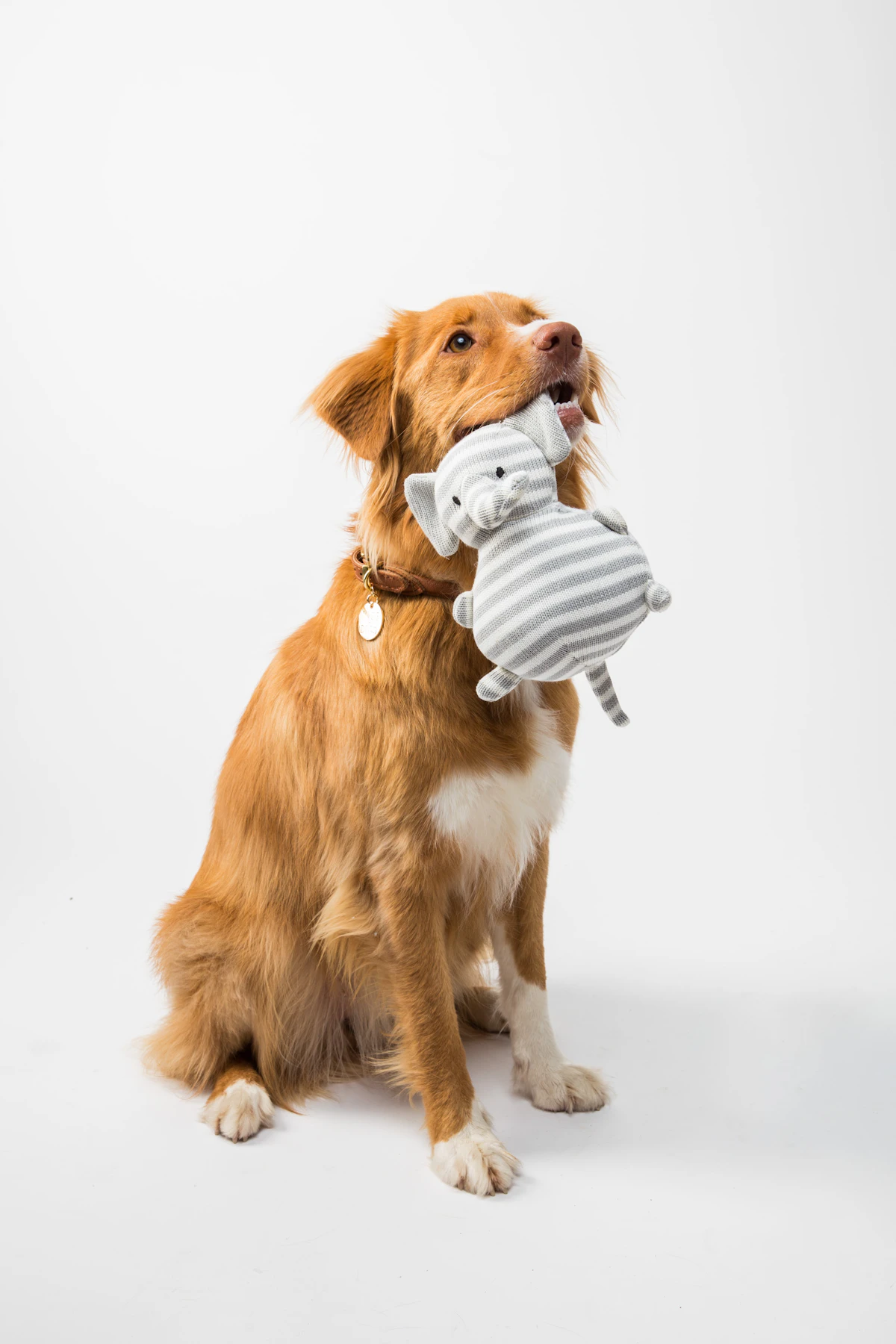
Different coat types manage oil distribution in unique ways. Double‑coated breeds like the Golden Retriever or Siberian Husky have a dense undercoat that traps oil and debris, often requiring less frequent washes. Single‑coated breeds such as the Greyhound or Dachshund expose their skin more directly, making them more prone to oil buildup and skin irritation if not bathed appropriately. Recognizing how your dog’s coat functions is the first step toward a sensible bathing schedule.
Factors That Influence Bathing Frequency
While breed matters, lifestyle is an equally powerful determinant. Dogs that spend most of their time indoors on clean floors typically need fewer baths than those who love rolling in mud, chasing after squirrels, or swimming in lakes. Seasonal changes also play a role; summer heat and humidity can increase sweating and skin oil production, while winter coats may trap moisture and require occasional rinsing to prevent matting.
Health conditions are another critical consideration. Dogs with allergies, dermatitis, or hormonal imbalances often benefit from specialized shampoos and a more regimented washing routine. On the other hand, senior dogs with thin skin may need gentler, less frequent baths to avoid exacerbating dryness. Consulting your veterinarian can help you tailor a bathing plan that supports any underlying medical needs.
Practical Guidelines for Different Breeds and Lifestyles
Below is a quick reference to help you decide how often to bathe your dog based on common breed categories and daily activities. These are general recommendations; always adjust according to your pet’s specific skin condition and your own observations.
- Heavy coat (double‑coat) breeds: Bathe every 6‑8 weeks, unless they get especially dirty.
- Short, single‑coat breeds: Bathe every 4‑6 weeks, focusing on areas that collect grime.
- Active, outdoor dogs: Increase frequency to every 2‑4 weeks, especially after swimming or rolling in mud.
- Allergy‑prone or skin‑sensitive dogs: Follow veterinary guidance, which may include weekly medicated baths.
When you do bathe your dog, use a shampoo formulated specifically for canines. Human shampoos are too harsh and can disrupt the pH balance of a dog’s skin. Warm (not hot) water, a gentle rinse, and thorough drying—especially in the ears and between the toes—help prevent residual moisture that could lead to fungal growth. Adding a conditioner designed for dogs can restore slip and shine without weighing down the coat.
Signs Your Dog Needs a Bath (Even If It’s Not on Schedule)
Even the most disciplined bathing calendar can be overridden by real‑world cues. A noticeable odor, visible dirt, or a sticky residue on the fur are obvious signals that a wash is overdue. More subtle signs include excessive scratching, licking, or a flaky appearance on the skin, which may indicate oil buildup or irritation. If your dog’s paws are constantly muddy or their belly area looks greasy after a meal, a quick spot clean or full bath can restore comfort.
Pay attention to your dog’s behavior after a bath as well. A relaxed, contented pet usually means the routine is appropriate, while a dog that becomes overly anxious or develops dry patches may need a less frequent schedule or a milder shampoo. Regularly checking the coat’s texture—feeling for smoothness versus roughness—provides a practical way to gauge whether the natural oils are being maintained.
In summary, there is no one‑size‑fits‑all answer to how often you should bathe your dog. By considering breed characteristics, daily activities, health status, and your pet’s individual response, you can craft a bathing routine that supports a healthy skin barrier, keeps unwanted odors at bay, and ensures your dog feels comfortable and happy. Remember that consistency, the right products, and attentive observation are the keys to striking the perfect balance between cleanliness and natural protection.